Traditional Festival Event Management: Combining Heritage With Modern Production
Traditional festivals bring people together through culture, rituals, music, food, and shared memories. Whether it is a Sankranti celebration, a Bathukamma festival, a Diwali gathering, or a regional cultural event, these occasions offer an opportunity to celebrate traditions and strengthen community connections. However, organising a successful festival today involves more than arranging decorations and performances. It requires careful planning, reliable coordination, and production techniques that respect the meaning behind the celebration.
This is where traditional festival event management becomes important. By combining cultural understanding with modern production methods, event organisers can create celebrations that feel authentic, look impressive, and run smoothly. The goal is not to replace traditional practices with technology but to use the right tools to make cultural experiences more accessible, engaging, and memorable.
Understanding the Cultural Significance of a Festival
Every traditional festival has its own history, customs, and expectations. The decorations, music, rituals, clothing, food, and activities often reflect the beliefs and values of the community celebrating it. Understanding these elements is the first step towards planning an event that feels genuine.
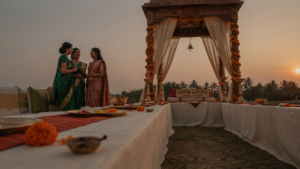
For example, a Sankranti celebration in Telangana or Andhra Pradesh may include colourful rangoli, traditional food, folk performances, and festive decorations inspired by harvest customs. A Bathukamma celebration may focus on floral arrangements, traditional songs, and group participation. Each festival requires a different approach rather than a standard event template.
Before planning begins, organisers should discuss the festival’s purpose with community representatives, cultural performers, organisers, and other relevant stakeholders. This helps identify which traditions are essential, which activities can be adapted to the venue, and how the event can accommodate different generations.
When cultural details are considered from the beginning, the final celebration feels more meaningful and connected to its roots.
Creating a Festival Theme That Respects Tradition
A clear theme helps bring together the visual design, entertainment, venue layout, and audience experience. For traditional festivals, the theme should reflect the celebration’s cultural identity instead of relying only on decorative trends.
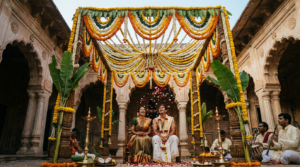
Natural materials, regional artwork, traditional fabrics, floral arrangements, handcrafted displays, and culturally relevant colours can help establish the right atmosphere. For instance, a harvest festival may use agricultural motifs, earthen elements, and seasonal decorations to communicate the significance of the occasion.
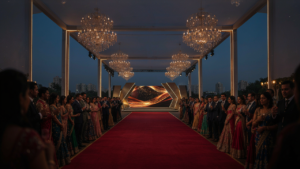
Modern design can complement these details through thoughtful lighting, well-planned stage backdrops, digital displays, and creative installations. The key is to make technology and contemporary styling support the cultural story.
Event organisers should also avoid using sacred symbols, ritual objects, or cultural representations purely as decorative features without understanding their meaning. Consulting knowledgeable community members helps ensure that the visual presentation remains respectful.
A well-designed festival theme should make guests feel connected to the celebration while creating a visually appealing environment.
Using Modern Production to Improve Festival Experiences
Modern event production offers several ways to improve visibility, coordination, sound quality, and audience comfort. When used carefully, these tools can enhance traditional celebrations without changing their essential character.
Stage Design and Lighting
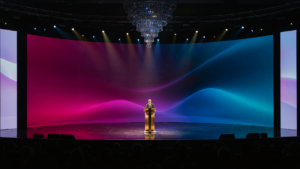
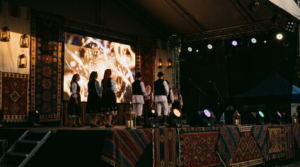
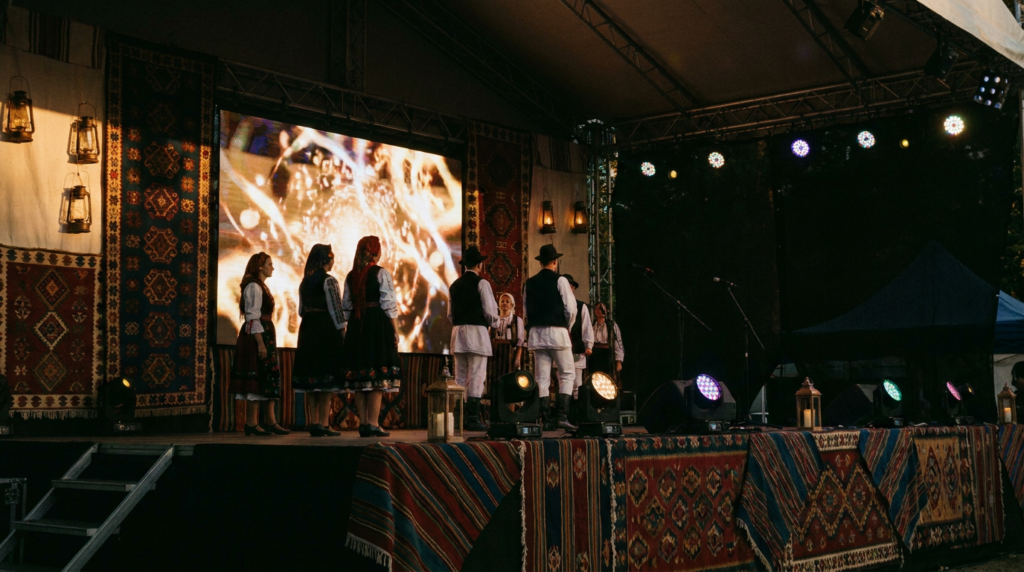
The stage is often the main attraction at a festival, especially when the programme includes folk dances, music performances, cultural presentations, or ceremonial activities. A thoughtfully designed stage helps performers remain visible and gives the audience a clear view of the programme.
Lighting can highlight traditional artwork, floral arrangements, performance areas, and important visual details. LED screens may display cultural imagery, event schedules, translations, or sponsor information where appropriate.
However, the production design should match the festival. Bright effects and elaborate screens may suit a large public celebration, while a community gathering may benefit from a simpler and more intimate setup.
Sound Systems for Music and Cultural Programmes
Clear sound is essential when festivals include live music, traditional instruments, speeches, dance performances, or announcements. Poor audio can make it difficult for guests to follow the programme, particularly at outdoor venues or large public gatherings.
Professional sound planning considers the venue size, expected audience, speaker placement, stage position, and surrounding noise. Equipment should be tested before the event, and technicians should remain available to handle issues during performances.
For celebrations featuring traditional music, sound levels and equipment settings should also suit the performance. The aim is to preserve the character of the music while ensuring that guests can hear it comfortably.
Digital Displays and Audience Information
Digital screens and event information systems can help visitors navigate larger festival venues. Organisers can use them to display schedules, performance timings, directions, safety announcements, and activity locations.
For multicultural or multilingual events, relevant information may be presented in more than one language. This makes the celebration easier to follow for guests from different backgrounds.
Digital tools are especially useful when several performances, workshops, food stalls, and activities take place simultaneously. They improve communication without requiring organisers to change the cultural content of the event.
Planning Traditional Performances and Cultural Activities
Cultural performances are often at the heart of traditional festivals. Folk dances, regional music, storytelling, craft demonstrations, and community competitions allow guests to experience traditions rather than simply observe them.
Selecting the right performers requires attention to cultural relevance, experience, programme length, and audience suitability. Organisers should agree on performance timings, rehearsal requirements, backstage arrangements, equipment needs, and payment terms in advance.
A balanced programme can include both established performers and opportunities for local artists or younger participants. This gives the event a wider community connection and encourages traditional art forms to reach new audiences.
Interactive activities can also make the celebration more engaging. Depending on the festival, these might include rangoli competitions, traditional games, craft demonstrations, regional food experiences, or workshops led by skilled practitioners.
The schedule should leave enough time for each activity without making the event feel rushed. Traditional ceremonies and important cultural segments should receive the time and attention they require.
Choosing the Right Venue and Managing Festival Logistics
The venue affects almost every aspect of festival planning. The right location depends on the expected attendance, cultural activities, available infrastructure, accessibility, and budget.
Outdoor grounds may suit large community celebrations, while convention centres, cultural halls, hotels, or open-air venues may be appropriate for smaller programmes. Organisers should check access routes, parking, electricity, water supply, washrooms, emergency exits, and facilities for elderly guests and people with disabilities.
Festival logistics also require careful attention to the movement of people, vendors, performers, and equipment. Clearly marked entry and exit points, separate service routes where practical, and well-positioned information desks can reduce confusion.
Food stalls, craft vendors, and activity areas should be arranged to avoid obstructing walkways or emergency access. Waste collection, drinking water, cleaning, and sanitation should be included in the plan from the beginning.
For outdoor events, organisers should also prepare for weather changes, power interruptions, and unexpected attendance levels. Backup arrangements help the team respond calmly when conditions change.
Balancing the Festival Budget With Production Quality
A traditional festival does not need an unlimited budget to create a strong experience. What matters is allocating resources according to the event’s priorities.
The main expenses may include venue rental, stage construction, lighting, sound equipment, artist fees, cultural decorations, catering, security, staffing, and promotional activities. Costs vary depending on the festival’s size, duration, location, and production requirements.
Organisers should identify the elements that have the greatest impact on cultural authenticity and audience comfort before spending on additional features. For example, a festival centred on folk music may benefit more from experienced performers and reliable sound equipment than from an elaborate digital backdrop.
Obtaining quotations from multiple vendors, confirming what each package includes, and keeping a contingency reserve can help prevent budget overruns. Contracts should clearly outline delivery times, setup responsibilities, payment terms, and cancellation conditions.
A transparent budget also makes it easier for sponsors and community stakeholders to understand how resources are being used.
Promoting the Festival to a Wider Audience
Modern promotion can help traditional festivals reach people who might not otherwise hear about them. Social media posts, short videos, digital invitations, local community groups, and event registration pages can communicate the programme and encourage participation.
Visual content should highlight the festival’s real cultural elements, including performances, crafts, food, traditions, and community involvement. Behind-the-scenes videos and artist introductions can build interest before the event begins.
For Hyderabad-based festivals, promotion may include relevant local audiences, resident associations, cultural organisations, educational institutions, and business communities. The communication strategy should reflect the intended audience rather than relying on the same message for every festival.
Organisers can also share practical information such as venue directions, parking arrangements, programme timings, and entry requirements. After the event, photographs and short videos can help preserve memories and encourage participation in future celebrations.
Digital promotion works best when it supports the festival’s cultural identity rather than turning the occasion into a purely commercial campaign.
Why Professional Festival Event Management Matters
Managing a traditional festival requires several teams to work together. Cultural coordinators, performers, decorators, sound technicians, caterers, security personnel, vendors, and venue staff may all have different responsibilities.
Without clear communication, delays can occur, equipment may not be ready on time, and important programme segments can be affected. Professional event management brings these activities together through schedules, assigned responsibilities, vendor coordination, rehearsals, and on-site supervision.
An experienced event team can also help identify practical challenges before they become serious problems. This includes checking production requirements, planning crowd movement, confirming supplier timings, and preparing backup arrangements.
For organisations, businesses, residential communities, and cultural associations, this support can reduce the pressure on internal teams. It allows organisers to focus on the purpose of the celebration while the operational details are managed through a structured process.
The best results come from collaboration between event professionals and people who understand the festival’s cultural significance.
Bringing Tradition and Modern Production Together With 5M Events
At 5M Events, thoughtful planning can help bring cultural celebrations to life while keeping the client’s objectives and audience needs at the centre of the experience. From stage and production planning to vendor coordination, event logistics, and programme execution, each element needs to work together.
Traditional festivals deserve an approach that respects their origins while making them enjoyable for today’s audiences. This may involve preserving familiar rituals, featuring regional artists, using contemporary lighting, improving sound quality, or introducing digital tools that make the event easier to navigate.
If you are planning a traditional festival, cultural programme, or community celebration in Hyderabad, consider the event’s cultural priorities, expected attendance, budget, and production requirements early. With the right planning and coordination, you can create an event that celebrates heritage, welcomes the community, and delivers a memorable experience.
Frequently Asked Questions
What is traditional festival event management?
Traditional festival event management involves planning and coordinating cultural celebrations while respecting their customs, rituals, performances, and community expectations. It may include venue selection, stage production, artist coordination, logistics, safety, and promotion.
How can modern technology improve traditional festivals?
Modern technology can improve sound quality, lighting, stage visibility, event communication, registration, and audience navigation. Digital displays and social media can also help share cultural information and reach wider audiences without replacing essential traditions.
What should be considered when planning a cultural festival?
Important considerations include cultural authenticity, audience size, venue suitability, budget, performers, production equipment, crowd management, accessibility, sanitation, and contingency arrangements.
How much does traditional festival event management cost in Hyderabad?
The cost depends on the event’s size, duration, venue, performers, decoration, equipment, staffing, and logistical requirements. A detailed quotation based on the specific festival is the best way to estimate the budget accurately.
How can organisers preserve cultural authenticity during a modern festival?
Organisers can consult cultural representatives, involve local artists, preserve important rituals, use culturally appropriate designs, and ensure that technology supports rather than overshadows the festival’s meaning.
Why hire a professional event management company for a traditional festival?
A professional team can coordinate suppliers, performers, production, schedules, logistics, and on-site operations. This helps organisers manage complexity while keeping the celebration aligned with its cultural purpose.